Kyrgyzstan Traffic Rules: What Drivers Must Know
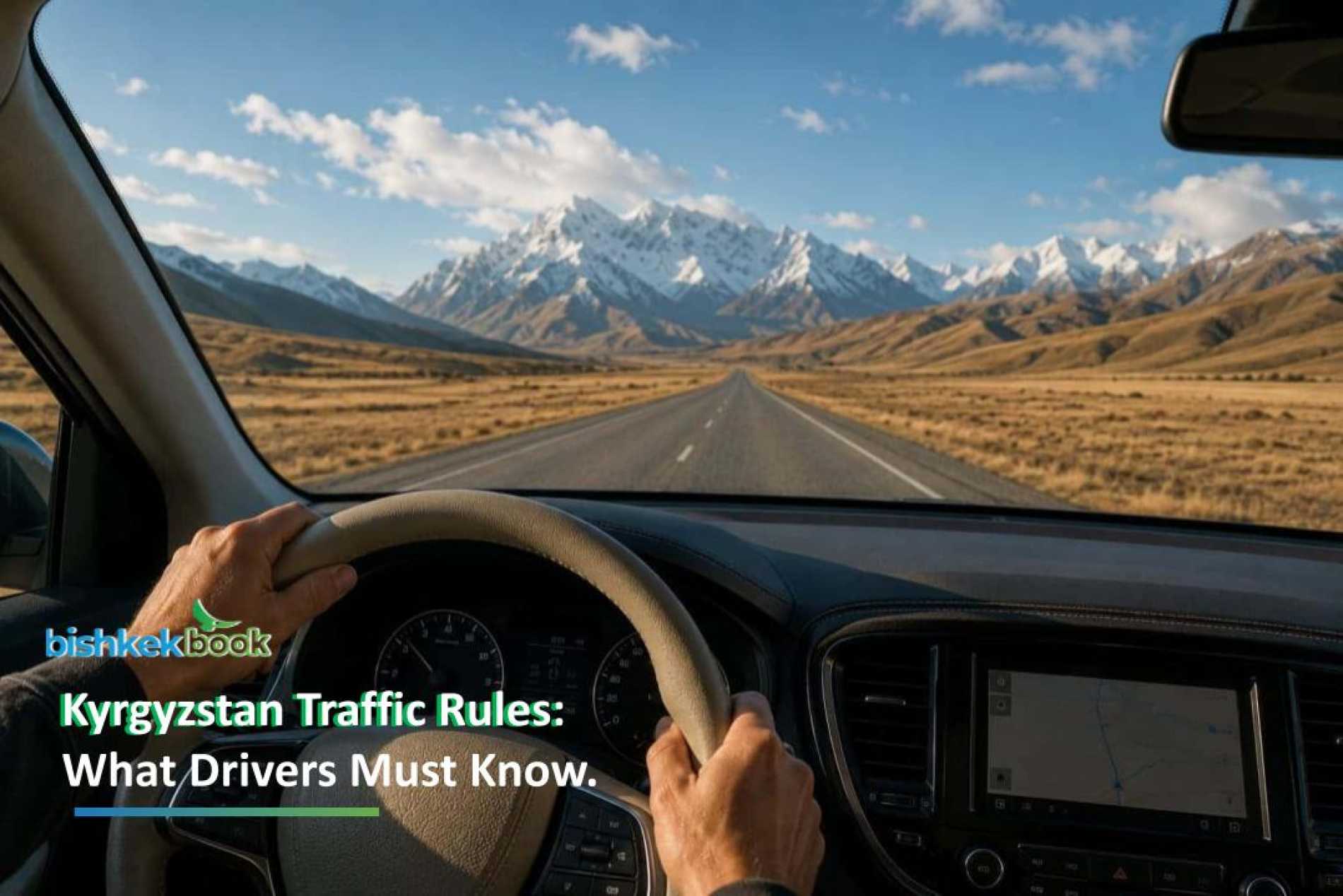
Kyrgyzstan Traffic Rules: What Foreign Drivers Must Know
Driving in Kyrgyzstan is one of the best ways to see the country. The roads take you through mountain passes, alongside glacier-fed lakes, and into valleys most tour buses never reach. But before you get behind the wheel, there are traffic rules, documentation requirements, and road realities you need to be across. Getting these wrong can mean fines, vehicle impoundment, or worse. This guide covers what every foreign driver needs to know.
First of All, Which Side of the Road Do They Drive On?
Kyrgyzstan drives on the right side of the road, the same as most of Europe, Russia, and the United States. If you're coming from a left-hand traffic country like the UK, Australia, Japan, or Malaysia, this is the first thing to get your head around before you pull out of the car park. The adjustment is usually quick, but it requires extra attention at roundabouts and when turning left across oncoming traffic.
Is Your Foreign Driving License Valid in Kyrgyzstan?
The short answer is yes, for most travelers. Kyrgyzstan accepts foreign driving licenses, so if your license is issued by your home country and is currently valid, you can use it.
There is one important exception. If your license is written in a script other than Latin or English, you need an International Driving Permit (IDP) to accompany it. So if your license is in Arabic, Chinese, Thai, or any other non-Latin script, get your IDP sorted before you travel. The IDP is not a standalone document; it works alongside your original license, and traffic police will want to see both.
Your minimum driving age in Kyrgyzstan is 21 years old, and you need at least three years of driving experience. These are not just rental company requirements; they reflect what's enforced on the road.
Kyrgyzstan Speed Limits by Road Type
Speed limits in Kyrgyzstan follow a tiered system based on where you're driving. Most roads are reasonably well-signed, though in rural areas, signs can be infrequent.
|
Road Type |
Speed Limit |
|
Urban areas and cities |
60 km/h |
|
Outside cities and towns |
90 km/h |
|
Motorways and highways |
110 km/h |
Speed cameras and traffic police are both present, and the police are particularly active on roads leading out of Bishkek. Stick to the limits, especially in residential zones where the 60 km/h rule is enforced seriously.
Alcohol and Driving: Zero Tolerance in Kyrgyzstan
Kyrgyzstan has a zero-tolerance policy on drink driving. The legal blood alcohol limit is 0.0 percent. This is stricter than most European countries and means even a small amount of alcohol puts you in violation.
The consequences are serious. Police can conduct roadside breath tests, and if you're over the limit, the penalties include significant fines, license confiscation, and potential detention. As a foreign driver, being caught drink driving will almost certainly lead to major complications with your rental vehicle and your travel plans. Don't take the risk.
What Documents You Need to Carry While Driving
Kyrgyz traffic police have the authority to stop vehicles and request documentation. When they do, you'll need to produce:
- Your valid passport (or a clear copy, though the original is preferable)
- Your valid driving license
- Your International Driving Permit (if applicable based on your license script)
- Vehicle registration documents
- Insurance certificate for the vehicle
If you're renting a car, your rental provider will supply the registration and insurance documents. Keep them in the vehicle at all times. Fumbling for documents during a police stop creates unnecessary friction, so store them somewhere accessible before you drive.
Road Conditions to Expect as a Foreign Driver
Knowing the rules is one thing. Knowing what the roads actually look like is another.
1. Bishkek City Roads
Bishkek's main roads are generally in decent condition, but potholes are common, particularly after winter. Urban traffic can be heavy during rush hours, and parking behavior in the city is unpredictable. Drivers park partially on footpaths, double-park on busy streets, and make turns from unexpected lanes. Expect it, slow down in congested areas, and give yourself extra time.
2. Mountain and Regional Roads
Outside Bishkek, road quality varies significantly. The main highway to Issyk-Kul is well-maintained and manageable for most drivers. Mountain roads heading toward passes like Tong-Ashuu or into the Chuy Valley are narrower, have steep drop-offs in places, and often have no barriers on exposed sections. Gravel roads are common in rural areas.
Seasonal conditions matter too. Some mountain passes close entirely during winter months, and even in late autumn or early spring, sudden snowfall can make roads treacherous. Check conditions before any road trip that takes you higher than 2,000 meters.
Core Traffic Rules Every Foreign Driver Must Follow
1. Seatbelts and Mobile Phones
Seatbelt use is mandatory for the driver and all passengers. The fine for not wearing one is straightforward and enforced. Using a handheld mobile phone while driving is also prohibited; hands-free is fine, but holding your phone up while moving is not.
2. Headlights
You are required to drive with headlights on outside of urban areas, even during daylight hours. Many foreign drivers miss this one, and it's a common reason for being stopped. When renting a vehicle, check whether the car has daytime running lights that come on automatically or whether you need to switch them on manually.
3. Pedestrians at Crossings
Pedestrians have the right of way at marked zebra crossings. In practice, this is not always observed by local drivers, but as a foreign driver, you are held to the rule. Slowing and stopping for pedestrians at crossings is both legally required and the right thing to do. Traffic police pay attention to this, particularly in the city center.
What to Expect During Traffic Police Stops
Traffic police in Kyrgyzstan operate from marked vehicles and stationary checkpoints, especially on roads leaving the city. When an officer signals you to stop, pull over safely and promptly on the right side.
Officers will typically ask for your documents and may conduct a brief check of the vehicle. Most stops for foreign drivers are routine. Speak calmly, present your documents clearly, and don't volunteer information beyond what's asked.
If you receive a fine, the officer should issue a formal citation. Fines can be paid at banks or designated payment points. You're not required to pay cash on the spot to the officer, and if asked to do so informally without paperwork, you are within your rights to request a formal ticket.
Planning a Self-Drive Trip Through Kyrgyzstan
Knowing the traffic rules gets you road-legal. Having the right vehicle gets you road-ready. Kyrgyzstan's terrain varies enough that your choice of car matters, especially if you're planning routes beyond the main highways.
For Bishkek city driving or the Issyk-Kul highway, a standard sedan handles the job well. For mountain roads and more remote areas, a larger or higher-clearance vehicle gives you more confidence on uneven surfaces.
Our Bishkek car rental service offers a range of vehicles, including compact cars, sedans, and MPVs, with direct pickup available at Manas International Airport. All rentals include unlimited mileage, so you can plan your route freely without worrying about per-kilometer costs. Airport pickup means you're driving within minutes of landing, without needing to arrange transfers first.
Check the vehicle's documentation carefully when you collect it, confirm the insurance coverage, and keep everything in the glove box for the duration of your trip. With the right prep, driving in Kyrgyzstan is genuinely rewarding.
Featured Post
Recent Post