Is Bishkek Muslim-Friendly? Everything to Know
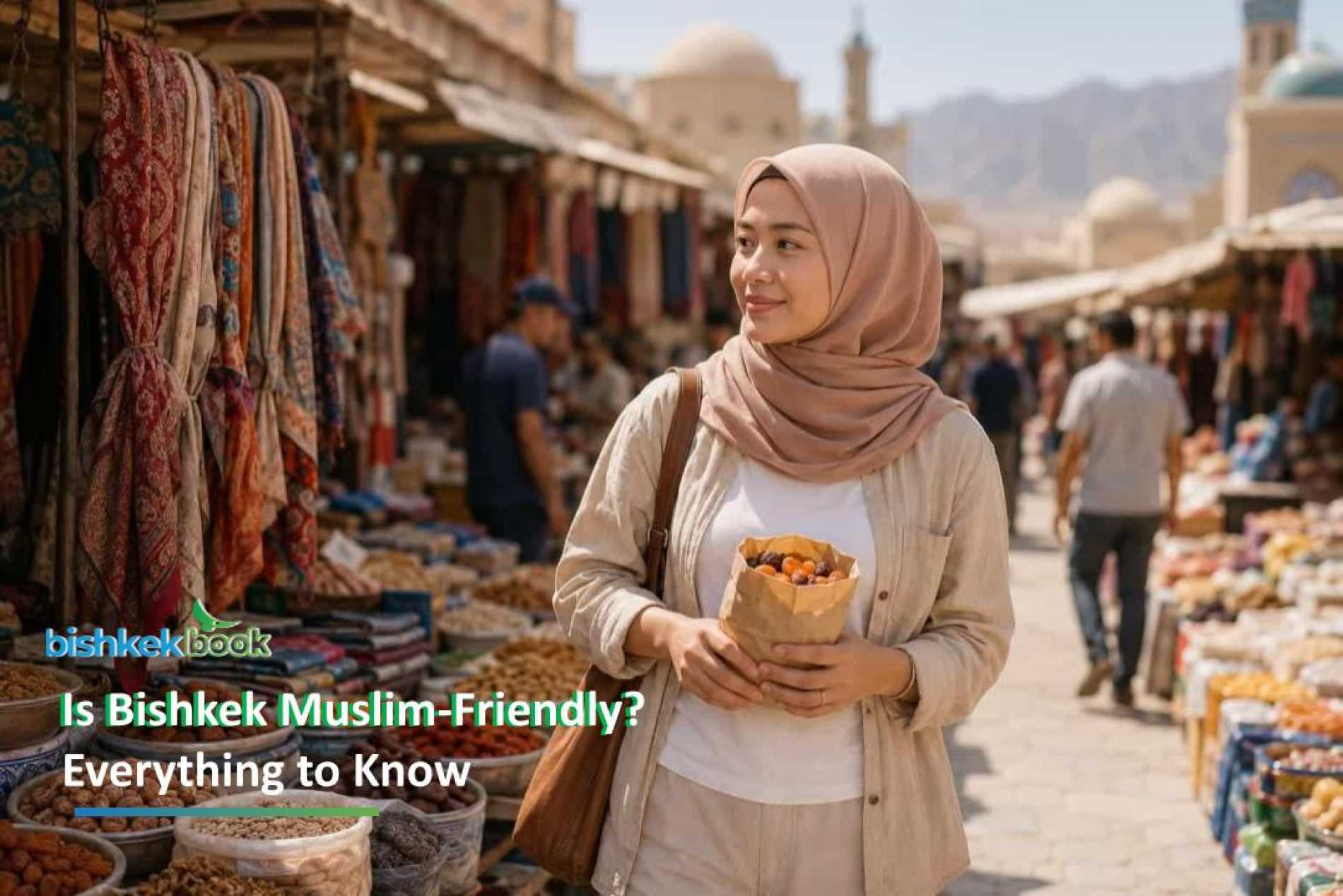
Is Bishkek Muslim-Friendly? Everything Muslim Travelers Need to Know
If you're a Muslim traveler wondering whether Bishkek is a comfortable destination for you, the short answer is yes. Kyrgyzstan is a Muslim-majority country, and that reality shapes everyday life here more than many travelers expect. From the food on your plate to the mosque around the corner, Bishkek is a city where Muslim visitors generally feel at ease.
That said, it's a modern Central Asian capital with its own character, so here's what you actually need to know before you arrive.
Kyrgyzstan Is a Muslim-Majority Country
Around 80 to 90 percent of Kyrgyzstan's population identifies as Muslim, predominantly Sunni. Islam has been part of Kyrgyz culture for centuries, and you'll see it in daily greetings, local customs, and the natural respect people extend to religious observance.
Bishkek itself is more cosmopolitan than the rest of the country. The Soviet era left a secular imprint on urban life, so the city feels more open and modern compared to smaller towns. You'll encounter a mix of conservative and liberal attitudes depending on which part of the city you're in. But Islamic values still run through Bishkek's identity, and Muslim travelers rarely feel out of place here.
Halal Food in Bishkek: What You Need to Know
This is probably the most practical concern for Muslim travelers, and the good news is that halal food is genuinely easy to find. Kyrgyz cuisine is naturally halal by tradition. The local diet is built around lamb, beef, and horse meat, and pork is uncommon in traditional Kyrgyz cooking.
Dishes You'll See on Most Menus
|
Dish |
Description |
|
Laghman |
Hand-pulled noodles with beef or lamb and stir-fried vegetables |
|
Shashlik |
Grilled skewered meat, usually lamb or beef |
|
Plov |
Rice cooked with lamb, carrots, and onion |
|
Samsa |
Baked pastry filled with seasoned meat and onion |
|
Manti |
Steamed dumplings with a meat filling |
Most local Kyrgyz restaurants and dastarkhan-style eateries use halal meat as a matter of course, even if they don't advertise it explicitly. If you're eating at a Russian-style cafe or a more international restaurant, it's worth checking the menu or asking staff, as pork and alcohol-based preparations do appear in those kitchens.
What to Watch For
Alcohol is sold in Kyrgyzstan, and some food products use it in preparation. If you stick to local Kyrgyz spots, this is rarely a concern. The issues, where they come up, tend to be in more European or fusion-style restaurants. When in doubt, ask.
Mosques and Prayer Facilities in Bishkek
Bishkek has a solid number of mosques. The Central Mosque, one of the largest in the country, sits near the city center and accommodates large congregations, particularly for Jumu'ah. The historic Dungan Mosque is another well-known place of worship, significant to the Dungan community, a group of Chinese Muslims who settled in Kyrgyzstan generations ago.
Beyond these, smaller neighborhood mosques are spread across the city, so finding somewhere to pray is not a challenge.
For prayer outside of mosques, some of the larger hotels have designated prayer rooms available on request. Manas International Airport also has a prayer room for travelers in transit or waiting for flights.
Alcohol Culture and How Easy It Is to Navigate
Bishkek is different from some Muslim-majority destinations in one noticeable way: alcohol is openly sold and consumed here. Bars, supermarkets, and restaurants serve it, and a nightlife scene does exist. This is a legacy of Soviet culture, and it's normalized in parts of the city.
That said, you're never pressured into anything. Eating out, socializing, and exploring Bishkek without alcohol being a constant presence is entirely doable. Choosing local Kyrgyz eateries over European-style restaurants removes most of the friction. Family-style local spots are plentiful, and the atmosphere in them is nothing like a bar setting.
Dress Code and Cultural Norms
Bishkek is relaxed on dress code by Central Asian standards. Women are not required to cover their heads in public, and visitors dress much as they would in any modern city. Modest clothing is appreciated and naturally fits the local environment, but you won't stand out for dressing simply and comfortably.
Visiting mosques is a different matter. Women should bring a headscarf, and both men and women should have shoulders and knees covered before entering. This applies to all visitors, not just Muslims. Outside of religious sites, common-sense modesty is all that's needed.
Ramadan in Bishkek
If your trip falls during Ramadan, you'll find that many locals observe it, though not universally. Restaurants in Bishkek generally remain open during daylight hours, so finding food if you're not fasting is not a problem. In more traditional neighborhoods, some smaller eateries shift to evening hours or close for most of the day.
Iftar is part of city life during Ramadan, and a number of restaurants put together dedicated iftar menus in the evenings. If your travel overlaps with the holy month, it's worth planning evenings around this. The atmosphere at iftar time in local Kyrgyz restaurants is warm and worth experiencing.
Getting Around Bishkek and Beyond as a Muslim Traveler
Once you know where to eat and pray, getting around is the next practical question. Bishkek has local taxis and minibuses (marshrutkas), but if you're planning to go beyond the city, the freedom to move on your own schedule makes a real difference. Muslim travelers heading to Ala-Archa National Park, Issyk-Kul Lake, or other parts of Kyrgyzstan will find the trips significantly more manageable with their own vehicle.
Our Bishkek car rental service offers pickup directly from Manas International Airport, so you're mobile from the moment you land. All rentals include unlimited mileage, meaning you can explore without watching the meter. The fleet covers everything from compact cars for solo travelers to 7-seater MPVs for families or groups.
If it’s your first time driving in Bishkek, make sure to check out our Bishkek traffic rules article.
So, Is Bishkek Worth the Trip?
For Muslim travelers, Bishkek ticks most of the boxes. The food is overwhelmingly halal-friendly, mosques are accessible, the culture is respectful, and the local population shares your faith. The city's secular character is there, but it rarely gets in the way unless you're specifically looking for it.
The biggest thing to carry into your trip is realistic expectations: Bishkek is not a Gulf destination, but it's not trying to be. It's a Central Asian capital with genuine Muslim roots, a welcoming local culture, and a lot more to offer than most travelers realize. Check out our article for 15 best things to do in Bishkek too!
Featured Post
Recent Post