Best Time to Visit Bishkek: Month-by-Month Guide
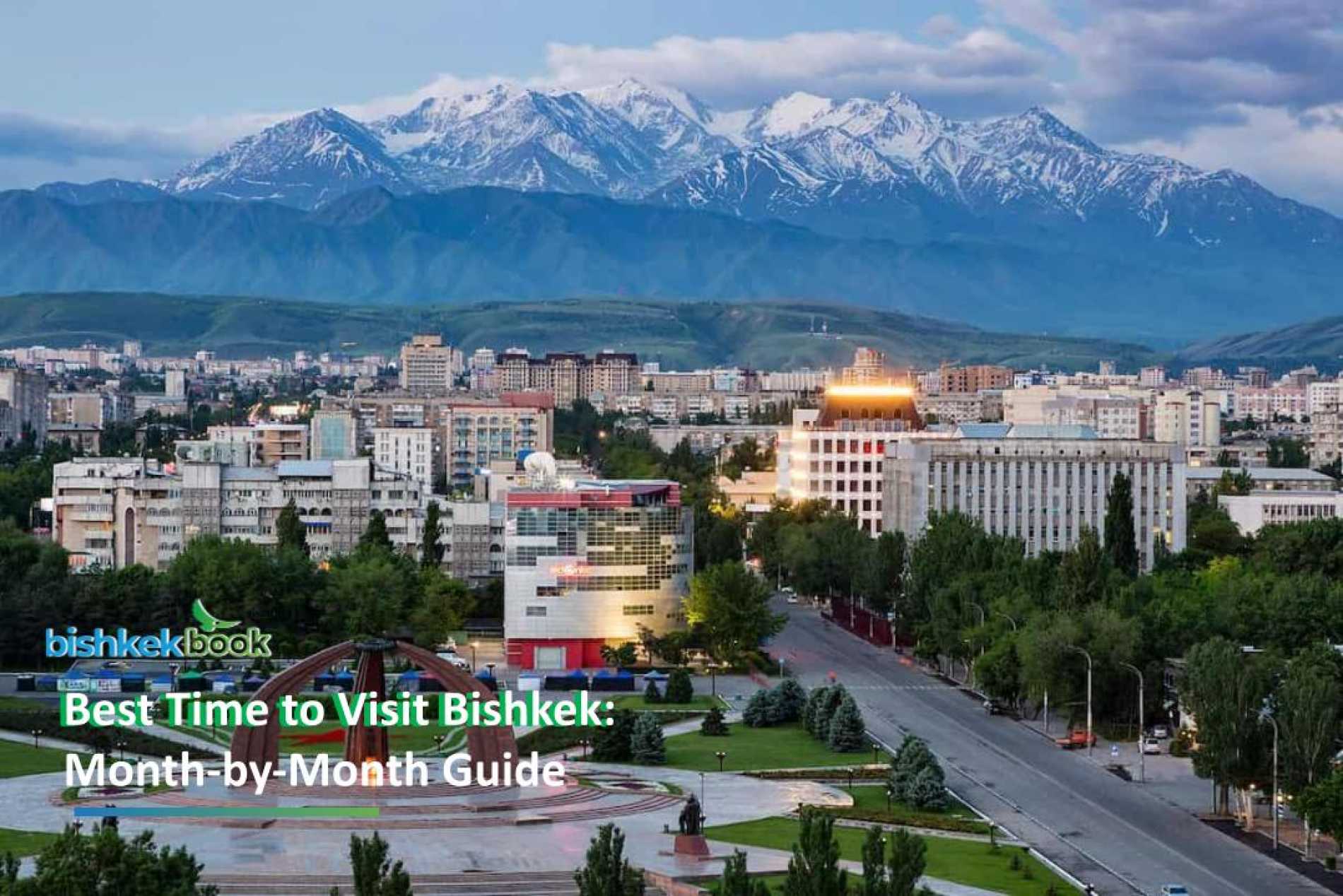
Best Time to Visit Bishkek: A Month-by-Month Guide
Bishkek doesn't get the same spotlight as other Central Asian capitals, but that's precisely what makes it so rewarding. Kyrgyzstan's capital sits in the Chuy Valley at the foot of the Kyrgyz Ala-Too mountains, a city of wide Soviet-era boulevards, leafy parks, and a café culture that catches most visitors off guard. But like any destination with a true continental climate, timing your trip makes a big difference. The heat of July and the deep freeze of January are worlds apart, and the shoulder months each have their own personality.
Here's a practical, honest breakdown of what to expect in Bishkek every month of the year, so you can plan your trip around the experience you actually want.
Understanding Bishkek's Climate
Bishkek has a continental climate: cold winters, hot summers, and relatively dry conditions overall. Precipitation peaks in spring. April is the wettest month and August is the driest. Annual sunshine hours are well above average at roughly 2,500 hours per year, which means even the shoulder seasons tend to offer clear skies more often than not.
The mountains to the south shape a lot of the city's weather. Winter cold can arrive sharply, and spring can still surprise you with a late snowfall in April. Summer days are long and sunny, but occasional thunderstorms roll through in June. If you're planning to explore beyond the city by car, all of this matters more, since road conditions change significantly with the seasons.
Best Time to Visit Bishkek Month-by-Month Breakdown
|
Month |
Avg High |
Avg Low |
Conditions |
Good For |
|
January |
1°C / 34°F |
-8°C / 18°F |
Cold, snowy |
Winter photography, off-peak travel |
|
February |
2°C / 36°F |
-7°C / 19°F |
Cold, snowy |
Off-peak travel |
|
March |
8°C / 46°F |
-1°C / 30°F |
Cool, transitional |
Nooruz festival, budget travel |
|
April |
15°C / 59°F |
5°C / 41°F |
Mild, rainiest month |
Spring blooms, Jazz Festival |
|
May |
21°C / 70°F |
10°C / 50°F |
Warm, low crowds |
Road trips, hiking, sightseeing |
|
June |
26°C / 79°F |
15°C / 59°F |
Hot, occasional storms |
Outdoor activities, Shyrdag Festival |
|
July |
29°C / 84°F |
16°C / 61°F |
Hottest, very dry |
Peak tourism, mountain drives |
|
August |
28°C / 82°F |
15°C / 59°F |
Hot, driest month |
Peak tourism, Independence Day |
|
September |
24°C / 75°F |
9°C / 48°F |
Warm, clear skies |
Best value, road trips |
|
October |
15°C / 59°F |
3°C / 37°F |
Cool, autumn foliage |
Quiet travel, local feel |
|
November |
6°C / 43°F |
-3°C / 27°F |
Cold, first snowfall |
Off-peak only |
|
December |
1°C / 34°F |
-6°C / 21°F |
Cold, snowy |
New Year celebrations, off-peak |
Best Months to Visit Bishkek at a Glance
May, September, and July/August are the top months for most visitors. May offers warm days, low crowds, and open mountain roads without peak-season prices. September gives you almost the same conditions on the tail end of summer, often with better availability on accommodation and car rental. July and August are peak seasons for good reason: maximum daylight, reliable weather, and full access to Kyrgyzstan's landscapes, but book ahead. March is a wildcard worth considering if Nooruz is on your list. Everything else is shoulder or off-peak, best suited to travellers with specific reasons to visit or a high tolerance for cold.
January and February: Deep Winter
These are the coldest months on the calendar. January averages a high of around 1°C (34°F) with lows dipping to -8°C (18°F), and during cold spells, temperatures can fall well below -20°C (-4°F). February follows a similar pattern, though daylight hours start to gradually lengthen.
Snow is common, and snowfall days in January can reach double figures. For most international visitors, this isn't the ideal window. That said, if you're a winter photography enthusiast or keen on seeing the mountains under snow, there's a certain austere beauty to Bishkek in January. The city doesn't shut down. Locals are used to it. But mobility is limited, and mountain roads are largely inaccessible.
If you do visit in winter, pack seriously warm layers. A down jacket, thermal base layers, and proper boots are not optional here.
March: The Thaw Begins
March is transitional. Temperatures start climbing from an average high of around 8°C (46°F), and you'll see the first green shoots in the city's parks. It's still cold enough that you'll want a proper jacket, but the sense of the city waking up from winter is palpable.
The highlight of March is Nooruz (also written as Nowruz), the Persian New Year celebrated on the spring equinox around March 21. Bishkek's Ala-Too Square comes alive with music, dance performances, traditional food stalls, and colorful clothing. It's one of the most authentically local events you can experience in the city, and well worth planning around if your travel dates are flexible.
March is still an off-peak month, which means better prices on accommodation and a less crowded city overall.
April: Spring, Rain, and Blossoms
April is when Bishkek genuinely transforms. Average highs reach around 14–16°C (57–61°F), the trees are in bloom, and the mountain backdrop becomes particularly photogenic against blue skies. It's also the wettest month of the year, with around 12–14 rainy days, so pack a light waterproof layer alongside the lighter clothes you'll want for warmer afternoons.
The Bishkek International Jazz Festival, Jazz Bishkek Spring, typically takes place in late April, drawing musicians from across Central Asia and beyond. It's a genuinely good event and adds an unexpected cosmopolitan touch to a spring visit.
One caveat: late snowfall is still possible in April. It doesn't happen every year, but it does happen. For road trips into the mountains, it's worth checking conditions before you go.
May: The Sweetest Month
If we had to pick one month that balances good weather with manageable crowds, May would be it. Temperatures are comfortably warm, highs around 19–22°C (66–72°F), without the intensity of summer. The mountains are still snow-capped, which makes for dramatic scenery. The city's parks are at their greenest.
May also marks the start of the tourism season. Roads into the surrounding countryside are opening up, tour operators are fully active, and you'll find plenty of variety without the peak-season pressure on accommodation or prices. For independent travellers planning a self-drive road trip through Kyrgyzstan, May is an excellent month to rent a car in Bishkek and head out to Ala-Archa National Park or further afield toward Issyk-Kul.
This is also a popular month for international travellers, so book accommodation earlier than you might for winter.
June: Long Days, Occasional Storms
June is the first fully summer month, and it shows. Average highs push into the mid-20s°C (mid-70s°F), the days are at their longest (up to 15 hours of daylight), and Bishkek hums with outdoor activity. Rooftop terraces fill up, the parks are busy on weekends, and the mountains are calling.
Precipitation in June is still somewhat elevated compared to July and August. Afternoon thunderstorms are the norm rather than the exception, though they typically clear quickly. Rainfall won't derail your trip, but it's worth factoring in if you're planning outdoor excursions or mountain drives.
Several cultural events cluster around this period. The Kyrgyz Shyrdag Crafts Festival, showcasing traditional felt carpet artisans from across the country, usually takes place in late June. If that kind of authentic handcraft culture interests you, it's a compelling reason to visit now rather than later in summer.
July and August: Peak Summer
July is the hottest month of the year. Average highs reach around 29°C (84°F), humidity drops to its annual low, and sunshine hours are at their peak. August is almost identical: slightly drier, marginally cooler by the end of the month.
This is the most popular period for tourism in Kyrgyzstan, and for good reason. The weather is reliable, the mountain passes are fully open, and the country is at its most accessible. If you're planning a longer driving itinerary (Bishkek to Issyk-Kul, through the Tian Shan mountains, or south toward Naryn), July and August give you the most predictable road conditions and the most daylight hours to work with. Booking a rental car in Bishkek well ahead of time is advisable in these months, since demand peaks with international visitors.
That said, be prepared for heat. Temperatures can spike during heat waves, and the city's urban core can feel heavy on the hottest days. Staying hydrated and timing outdoor activities for the morning or evening makes a real difference.
On the cultural calendar, late July and August bring the National Horse Games, where you can see ulak-tartysh (a form of polo played with a goat carcass), kyz-kuumai, and other ancient equestrian competitions. Kyrgyzstan's Independence Day on August 31 also draws celebrations across the city.
One note on driving: while summer conditions are excellent in the Chuy Valley and on main routes, certain remote mountain passes remain restricted. Routes like the Kok-Airyk Pass and Tosor Pass are off-limits for rental vehicles regardless of season, so plan your itinerary accordingly.
September: The Golden Month
September is, by most measures, the second-best month to visit Bishkek. The summer heat softens. Highs settle around 23–25°C (73–77°F) and the mountain landscapes take on an amber and gold tone as the first signs of autumn appear. Rainfall stays low, skies are clear, and the city is still lively without being at peak capacity.
From a practical standpoint, September tends to offer slightly better value than July or August. Accommodation and car rental availability improves as the peak-season crowds thin out, yet the weather remains genuinely excellent.
For those interested in nomadic culture, this is also when seasonal migrations begin. It's a tradition that Kyrgyzstan's herding communities still practice, moving flocks down from high summer pastures. Some cultural tours offer the chance to observe or participate in aspects of this transition.
October: Crisp and Colourful
October is when autumn takes hold in earnest. Average highs cool to around 14–16°C (57–61°F) early in the month, dropping further by the end. The foliage around Bishkek and in the mountains turns vividly, and the city has a quieter, more local feel.
It's a fine month to visit if you don't mind variable weather and want to avoid tourist crowds entirely. Pack layers you can adjust: warm in the mornings, comfortable in the afternoons, chilly by evening. Mountain drives are still possible early in the month, but snowfall becomes increasingly likely at higher altitudes as October progresses.
November and December: Into Winter
November marks the real start of the cold season. Temperatures fall quickly, snowfall becomes regular, and the city takes on a different character. December's average high is just around 0–1°C (32–34°F), with lows in the -6 to -8°C range. The mountains around the city are fully snow-covered, and the shorter days (down to about 9–10 hours of daylight in December) limit outdoor exploration.
These are genuinely off-peak months. Hotels are quiet, and the city has a slower, more domestic rhythm. If you're visiting for a specific reason (a meeting, an event, or simply because Bishkek is on your route), you can manage comfortably with the right gear. For leisure travel, most visitors will be better served by another time of year.
The city does celebrate the New Year season with enthusiasm. Ala-Too Square gets a large New Year's tree (a tradition inherited from the Soviet era), and there are public celebrations as December turns to January.
So When Should You Visit Bishkek?
The straightforward answer: May through September covers the full range of good-to-excellent conditions in Bishkek and Kyrgyzstan.
For the best combination of warm weather, cultural activity, and accessibility for road travel, May and September stand out. They're shoulder months that behave more like peak season in terms of what you can actually do, without the July-August intensity or prices.
If you want full summer heat and maximum time outdoors, July and August are your months. Road conditions are at their best, daylight is abundant, and the country's festivals are in full swing. Just book your accommodation and your car rental in Bishkek ahead of time.
March is worth considering for Nooruz, particularly if cultural events are central to your itinerary. The weather is iffy, but the city is genuinely alive in a way that only happens once a year.
For most international travellers, the window from late April through October covers every meaningful experience Bishkek and its surroundings have to offer. The rest of the year demands more tolerance for cold and a different kind of visit.
Whenever you go, the Chuy Valley and the mountains beyond it have a way of exceeding expectations. Plan around the season, not despite it, and you'll leave with a much better trip.
Featured Post
Recent Post